The CRA Taxpayer Relief Program Explained

Finance Relief
The CRA Taxpayer Relief Program Explained
Ali Ladha, CPA, CA / January 30, 2026
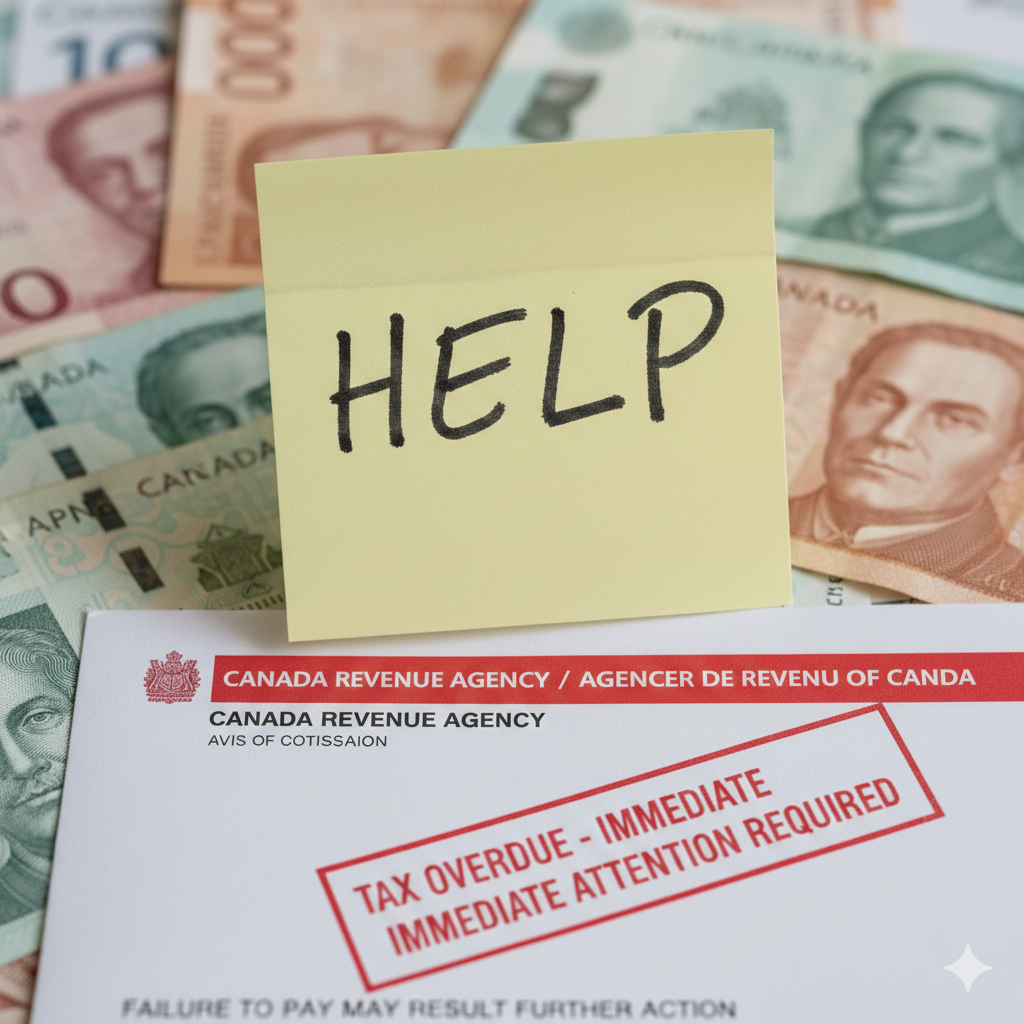
When you are hit by a major life crisis, the loss of a spouse, a serious illness, or a financial catastrophe, filing your taxes are usually the last thing on your mind. But as the months and years pass, the Canada Revenue Agency (CRA) doesn’t stop charging penalties and interest. These late-filing penalties and compounding interest can quickly turn a difficult situation into a financial nightmare.
If you are staring at a tax bill that feels insurmountable because of circumstances beyond your control, you should know that there is a path forward.
Through the Taxpayer Relief Program, the CRA has the discretionary power to waive penalties and interest. This isn’t a loophole; it is a fairness provision designed specifically for Canadians who have faced extraordinary hardships. Whether you missed a filing deadline in the past or are dealing with debt from a decade ago, you don’t have to face it alone.
Who Can Qualify for Relief?
The program is open to a wide range of taxpayers, including:
-
- Individuals
- Corporations
- Employers or payers
- Partnerships
- Trusts and estates
- Organizations
Essentially, any taxpayer who is subject to the Income Tax Act and has been affected by circumstances that prevented them from meeting their tax obligations may request relief
How much Relief Can You Get?
The main types of relief available are:
Waiver or Cancellation of Penalties and Interest
The CRA may waive or cancel all or part of any penalty or interest otherwise payable under the Act if the taxpayer’s situation justifies it. This can apply to amounts already assessed (cancellation) or amounts not yet assessed (waiver).
Acceptance of Late, Amended, or Revoked Elections
The CRA may allow certain tax elections to be filed late, amended, or revoked, provided the request is made within the 10-year period and the election is one of those prescribed by regulation.
Refunds or Reductions Beyond the Normal Three-Year Period
For individuals and graduated rate estates, the CRA may issue a refund or reduce tax payable for a return or adjustment request made beyond the normal three-year reassessment period, as long as it is within the 10-year limitation period.
Relief for Financial Hardship
In cases of confirmed inability to pay, the CRA may consider waiving or cancelling interest to enable the taxpayer to pay their debt, especially if payment of interest would cause financial hardship
These provisions are designed to ensure fairness in the administration of Canada’s tax laws, especially when strict application of the law would result in an unjust outcome due to circumstances outside the taxpayer’s control.
Qualifying Circumstances for Taxpayer Relief:
Extraordinary Circumstances:
-
- Natural disasters (floods, fires),
- Serious illness,
- Accidents,
- Severe emotional distress (such as a death in the immediate family).
CRA Errors or Delays:
-
- Processing delays
- Errors in CRA publications
- Incorrect information provided by a CRA agent.
Financial Hardship:
-
- When paying the interest would cause a prolonged inability to afford basic necessities (food, medical care, housing)
- For businesses, this includes situations where interest charges threaten the continuity of the business or employees’ jobs.
The 10-year Rule for Taxpayer Relief
The 10-year rule restricts the CRA’s discretion to grant relief to any period that ended within 10 calendar years before the year in which a taxpayer’s request is made or a return is filed. This means that, for any relief request made in a given calendar year, the CRA can only consider relief for tax years or fiscal periods that ended within the previous 10 calendar years. The rule is sometimes referred to as a “rolling window” because it moves forward each January 1st.
Example:
If you make a request in 2026, the CRA can only consider relief for tax years or periods ending in 2016 or later. Any tax year or period ending before 2016 is outside the 10-year window and is not eligible for relief.
How to Apply for Taxpayer Relief
To start the process, you must submit a formal request.
- The Essential Form
Use Form RC4288, Request for Taxpayer Relief Cancel or Waive Penalties and Interest.
- Supporting Documentation
The CRA denies many requests simply due to a lack of evidence. You should include:
-
- Medical claims:
- Doctor’s certificates or hospital records showing the onset and duration of the illness.
- Medical claims:
-
- Disaster claims:
- Insurance reports or news articles documenting the event.
- Disaster claims:
-
- Financial Hardship:
- A full disclosure of income, expenses, assets, and liabilities (Individuals may use Form RC376).
- Financial Hardship:
What Happens After You Apply?
The CRA reviews each case on its own merits. They look at your compliance history i.e. have you tried to follow the rules in the past?
They also look at whether you acted quickly to remedy the delay once the extraordinary circumstance ended.
If you are denied:
Second Review: You can request a second administrative review by a different CRA official.
Judicial Review: If still unsatisfied, you can apply to the Federal Court for a judicial review of the CRA’s decision.
Case Study: Overcoming Grief and a 6-Year Filing Gap
At Tax Help Canada, we often see cases where life simply gets in the way of tax compliance. One of our most impactful recent successes involved a taxpayer who fell significantly behind.
The Situation: Our client’s life was upended in 2018 following the tragic passing of his wife. Overwhelmed by grief and the sudden responsibilities of managing a household alone, he was mentally and emotionally unable to face his financial obligations. As a result, he did not file his taxes from 2018 through 2023. By the time he came to us in 2024, he was facing massive late-filing penalties and years of compounded interest.
Our Approach:
-
- Compliance First: We immediately prepared and filed all six years of back taxes to bring him into “current” status a prerequisite for relief.
- The Relief Request: We filed Form RC4288, supported by a detailed “Statement of Facts” that linked his non-compliance directly to the trauma of his wife’s passing.
- Humanizing the Case: We provided the CRA with the death certificate and letters from medical professionals to prove that his failure to file was due to a severe, prolonged emotional trauma, not willful neglect.
The Result:
The CRA accepted the request, waiving the late-filing penalties and a portion of the accrued interest. This reduced his total debt by thousands of dollars and allowed him to finally move forward without the weight of the CRA hanging over him.
Get Help Today
Taxpayer relief is highly discretionary, and the quality of your written submission makes all the difference. At Tax Help Canada, we specialize in crafting persuasive, evidence-backed relief requests to help you get back on track with the CRA.
Get in touch with us here.
The accounting and tax information provided in this post does not constitute advice and is meant to be for general information purposes only. The information is current as at the date of this post and does not reflect any changes in accounting and/or tax legislation thereafter. Moreover, the information has been prepared without considering your company or personal financial/tax circumstances and/or objectives.