
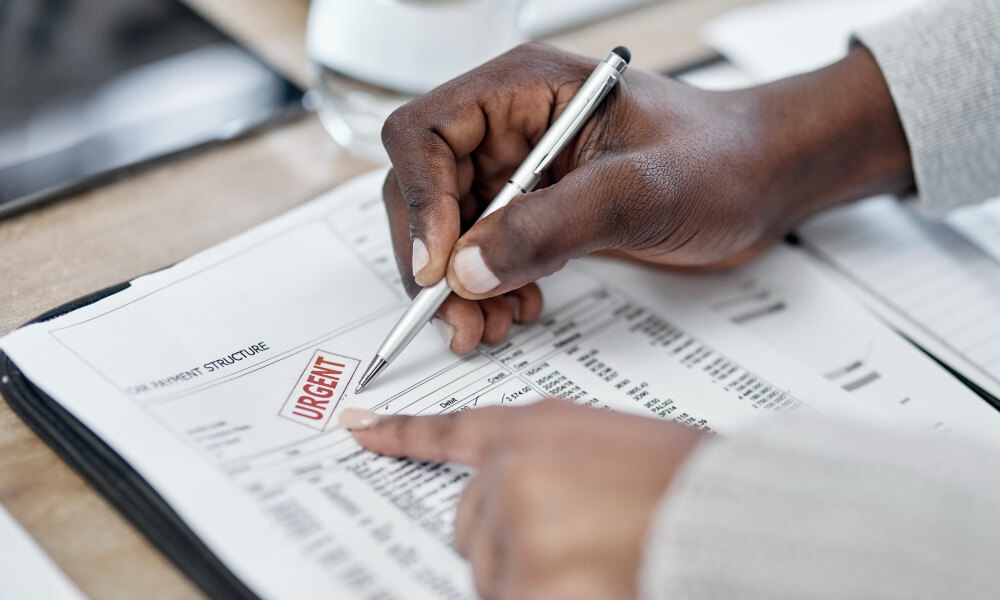
Oshawa taxpayers fall behind for real reasons
Unfiled tax returns often begin with a disruption that makes one year hard to finish. An Oshawa taxpayer may have changed jobs, started contracting, dealt with illness, closed a small business, lost documents, or fallen behind on bookkeeping. Once one year is missed, the next year becomes harder because records are no longer organized and CRA letters may start arriving.
Tax Help Canada helps Oshawa residents and business owners identify the missing years, rebuild available records, prepare late filings, and respond to CRA pressure. The work is not just tax preparation. It is a practical CRA resolution plan that considers filing order, estimated balances, penalties, interest, and collections risk.
CRA can estimate tax before the real returns are filed
CRA can issue a request to file or demand to file when returns are outstanding. If the taxpayer does not respond, CRA may issue an arbitrary or notional assessment. That estimate may ignore deductions, business expenses, credits, losses, rental expenses, or HST input tax credits that would be included in a proper return.
For Oshawa taxpayers, this can create a balance that does not match the real facts. CRA may charge penalties and interest, hold refunds, delay benefits, or transfer the account to Collections. If a business account is involved, HST and payroll filings may also need to be brought current.
Warning signs include:
CRA demand to file letters
Estimated balances for years never filed
Missing T1, T2, HST, or payroll returns
CRA Collections calls or payment demands
Refunds, credits, or benefits delayed by missing returns
Requirement to Pay concerns involving wages, bank accounts, or customers
We review the full filing history
Before preparing returns, we review the complete CRA picture. That includes personal years, corporate accounts, HST, payroll, trust or estate obligations, CRA slips, prior assessments, and collections activity. This review helps determine what should be filed first and whether relief options should be considered before the filings are submitted.
An Oshawa contractor may need personal business income and HST returns prepared together. A small corporation may need T2 filings, payroll review, and bookkeeping cleanup. A landlord may need rental income reconstructed over several years. A family may need missing personal returns filed to correct benefit calculations.
The goal is to avoid piecemeal filing that fixes one account while leaving another unresolved.
Missing records can often be reconstructed
Many taxpayers delay because they do not have complete documents. That is common in multi-year non-filer files. We may use CRA slips, bank statements, credit card records, invoices, supplier summaries, HST reports, payroll records, bookkeeping exports, prior-year returns, and reasonable estimates where support is incomplete.
For self-employed taxpayers, this may mean reconstructing income and expenses from deposits and invoices. For corporations, it may mean rebuilding books enough to support T2 and HST filings. For individuals, CRA slips may provide the starting point before deductions, credits, and carryforwards are reviewed.
Oshawa business files may involve HST and payroll
Many Oshawa taxpayers have trades, consulting, delivery, online sales, or small business activity. These files can involve more than personal tax. HST filings may need to align with business revenue. Payroll remittances may need to match wages. Corporate payments may affect personal returns.
We look at those connections before filing so the late returns tell a consistent story. This reduces the chance of avoidable CRA questions and helps keep the cleanup organized.
Relief and payment planning should be reviewed
After returns are filed, CRA may assess tax, penalties, and interest. If there were circumstances beyond the taxpayer’s control, taxpayer relief may be worth reviewing. If CRA had not already contacted the taxpayer and the disclosure is voluntary, VDP may be considered. If the balance is large, payment arrangements or insolvency advice may be needed.
The best approach depends on timing, CRA contact, records, and the reason the returns were missed.
The goal is to stabilize the CRA account
A successful catch-up project should do more than file old returns. It should help the taxpayer understand what CRA has assessed, what remains owing, what relief may be available, and what needs to happen to stay compliant going forward.
For Oshawa taxpayers, that may mean clarifying HST filing frequency, payroll obligations, instalments, bookkeeping routines, or document retention. The cleanup should reduce current pressure and make future filing realistic.
Oshawa files often need practical records from several sources
When someone has not filed for several years, the documents are rarely in one neat folder. A taxpayer may have old T4 slips, CRA online information, bank statements, email invoices, app or platform summaries, cash deposits, and partial bookkeeping. The work is to turn those disconnected pieces into a filing record that can be explained.
We help separate personal and business information, identify which documents belong to which year, and decide where estimates are reasonable. This matters because CRA may ask how late-filed income or expenses were calculated. A clear record trail makes the filing package stronger and gives the taxpayer more confidence after the returns are submitted.
Why Oshawa taxpayers choose Tax Help Canada
Tax Help Canada focuses on CRA tax resolution matters, including unfiled returns, voluntary disclosures, taxpayer relief, audits, objections, and collections. That focus matters when missing filings connect to estimates, penalties, business accounts, and CRA pressure.
If you are in Oshawa and have unfiled tax returns, a confidential review can help identify what is missing and how to bring the file back into compliance.