
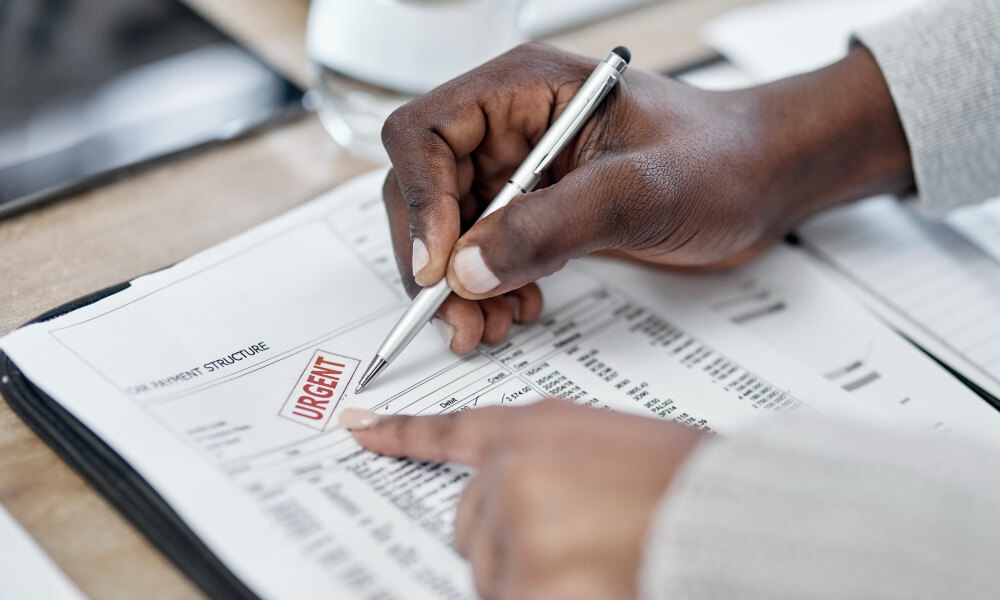
Oakville taxpayers fall behind for real reasons
Unfiled tax returns often involve more than simple procrastination. An Oakville taxpayer may have missed a filing year because of illness, family responsibilities, investment complexity, rental property records, a business transition, or corporate bookkeeping that was never completed. Once one year is missed, the next year can become harder because the taxpayer no longer knows where to start.
Tax Help Canada helps Oakville taxpayers identify missing filings, rebuild support, prepare late returns, and plan for CRA consequences. The goal is to bring the account back into compliance while considering penalties, interest, estimated assessments, and collections risk.
CRA can estimate balances before you file
CRA can send requests to file or demands to file. If the taxpayer does not file, CRA may issue an arbitrary or notional assessment. That estimate may not include deductions, credits, investment details, rental expenses, business expenses, losses, or HST input tax credits.
For Oakville taxpayers, estimated assessments can be misleading where income sources are complex. A landlord may have repairs and mortgage interest. A consultant may have business expenses and HST. A corporation may have shareholder and payroll issues. CRA’s estimate may not reflect those details.
Common warning signs include:
CRA demand to file letters
Estimated balances for years never filed
Missing corporate, HST, payroll, trust, or estate returns
Delayed refunds, credits, or benefits
CRA Collections calls or legal warnings
Penalties and interest growing on the account
We review the complete account first
Before preparing returns, we review personal years, corporate accounts, rental or investment reporting, HST, payroll, trust or estate filings, prior assessments, and collections activity. This helps determine the filing order and whether relief options should be considered before filing.
An Oakville consultant may need personal business income and HST reviewed together. A professional corporation may need T2 returns, payroll filings, and shareholder amounts checked. A landlord may need rental income reconstructed across years. An estate file may need final or trust returns prepared carefully.
The review helps prevent isolated filings that leave other CRA issues unresolved.
Missing records can often be reconstructed
Many taxpayers delay because records are incomplete. We may use CRA slips, investment statements, bank records, invoices, rental documents, mortgage information, HST data, payroll summaries, bookkeeping exports, prior-year returns, and reasonable estimates where support is incomplete.
The goal is to create accurate and defensible returns. For individuals, that means confirming slips, credits, deductions, and carryforwards. For businesses, it means reconstructing revenue and expenses. For corporations, it may mean rebuilding enough records to support T2 and HST filings.
Oakville files may involve property, investments, and corporations
Some Oakville non-filer files include property transactions, rental activity, investment income, corporate activity, or trust matters. These issues should be reviewed carefully because they can affect more than one year and more than one account.
Filing late returns without reviewing the full context can create missed deductions, inconsistent reporting, or avoidable CRA questions. We look at how the pieces connect before filing.
Relief and payment planning should be reviewed early
After filing, CRA may assess balances, penalties, and interest. Taxpayer relief may be available in some circumstances. Voluntary disclosure may be considered if CRA contact had not already started. Payment arrangements or insolvency advice may be needed if the assessed balance is significant.
The right plan depends on timing, CRA contact, records, and the reason for non-filing.
The goal is a clean path forward
A late filing project should also help the taxpayer stay current. That may mean understanding instalment requirements, HST filing frequency, payroll obligations, bookkeeping routines, or what records should be kept going forward.
For Oakville taxpayers, the objective is to correct the past and reduce the risk of falling behind again.
Oakville filings should be organized before CRA review
When several years are filed late, CRA may ask questions after processing. That is especially true where business expenses, rental expenses, investment details, or corporate accounts are involved. Preparing the filing package carefully at the beginning makes later questions easier to answer.
We help organize the support by year, account, and issue. Rental documents should connect to rental income. Business expenses should connect to the business activity. Corporate payments should be reviewed against personal reporting. HST and income tax numbers should make sense together. This kind of organization is useful even if CRA never reviews the file because it gives the taxpayer a clearer record of what was filed and why.
Oakville taxpayers may need advice beyond filing
Some files require payment planning, relief requests, or a review of whether a corporation should remain active. We help identify those next steps so the taxpayer is not left with filed returns but no plan for the resulting CRA account.
Why Oakville taxpayers choose Tax Help Canada
Tax Help Canada focuses on CRA tax resolution matters, including unfiled returns, voluntary disclosures, taxpayer relief, audits, objections, and collections. That focus helps when files involve estimated assessments, incomplete records, and CRA pressure.
If you are in Oakville and have unfiled tax returns, a confidential review can help identify what is missing and how to move back into compliance.