
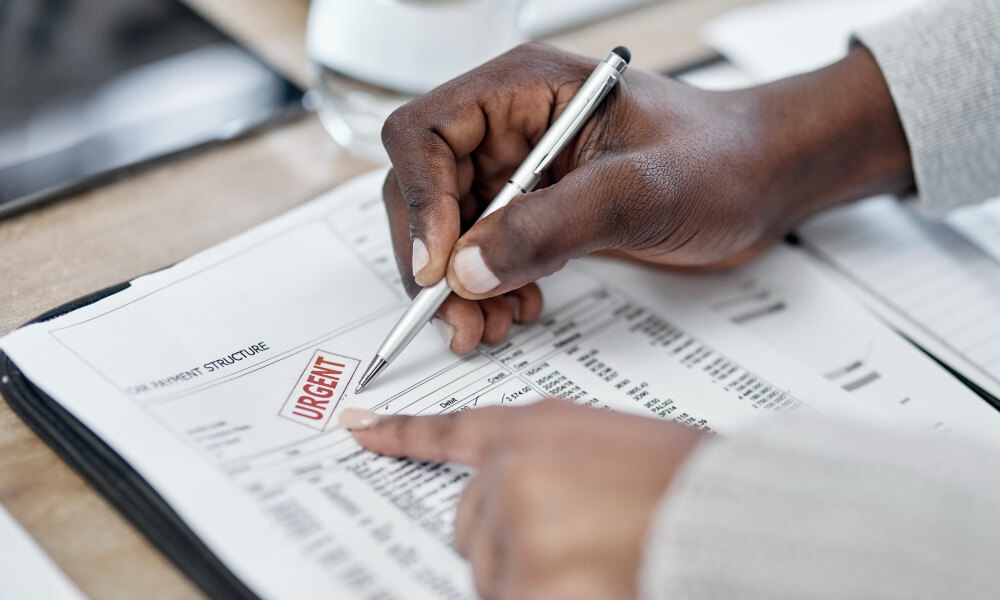
Norfolk County taxpayers fall behind for real reasons
Unfiled tax returns in Norfolk County often involve farm income, seasonal work, trades, small businesses, rental property, or family corporations. A taxpayer may have intended to finish bookkeeping after a busy season, then found that bank records, invoices, payroll details, HST periods, and CRA notices had piled up. When one year remains unresolved, the next year becomes harder because beginning balances and carryforward information may be missing.
Tax Help Canada helps Norfolk County individuals, farmers, market vendors, contractors, landlords, employers, corporations, and representatives catch up on missing filings. We look at personal returns, corporate filings, GST/HST, payroll, rental income, benefits, arbitrary assessments, penalties, interest, and collections pressure together.
CRA can estimate balances before real returns are filed
CRA can send a request to file or demand to file when it believes returns are overdue. If returns stay outstanding, CRA may issue an arbitrary or notional assessment. That estimate may be based on limited information and may ignore farm inputs, equipment, repairs, fuel, seasonal payroll, HST input tax credits, business expenses, rental costs, credits, or losses.
For Norfolk County taxpayers, this can create a balance that does not match the real year. A farm may have seasonal revenue and substantial input costs. A tradesperson may have materials, tools, subcontractors, and vehicle costs. A landlord may have repairs, mortgage interest, property tax, and insurance. A corporation may have payroll, shareholder transactions, and business expenses that CRA did not include.
Common warning signs include:
CRA request to file or demand to file letters
A balance owing for a year that was never properly filed
Missing personal, corporate, GST/HST, payroll, trust, or estate returns
HST or payroll accounts showing outstanding periods
Refunds, credits, or benefits delayed by missing filings
Collections calls, legal warnings, or Requirement to Pay concerns
We review the full CRA account first
Before preparing returns, we review CRA notices, account history, slips, business accounts, HST periods, payroll records, corporations, rental documents, prior assessments, and collections status. A Norfolk County file may require personal, corporate, HST, and payroll filings to be coordinated together.
This review helps determine whether voluntary disclosure, taxpayer relief, objection timing, or collections communication should be considered. If CRA has not contacted the taxpayer, relief options may need to be reviewed before filing. If CRA has already issued estimates, the real returns may be needed to correct those amounts.
Missing records can often be reconstructed
Many Norfolk County files are delayed because farm, seasonal, rental, or trade records are incomplete. Missing receipts, invoices, crop or market records, payroll summaries, HST reports, bank statements, and supplier statements can feel overwhelming. Still, a filing package can often be rebuilt.
We can use CRA slips, bank and credit card statements, farm records, invoices, supplier statements, market records, payroll data, HST reports, rental documents, prior-year returns, and reasonable estimates supported by available facts. The aim is to create returns that are credible, organized, and explainable.
Farm, HST, payroll, and personal filings often connect
Norfolk County non-filer files often cross several accounts. Farm or business revenue should align with HST. Payroll should match T4 and source deduction reporting. Corporate payments should be reflected properly on personal returns. Rental income should be supported by leases and expenses. Benefit issues may require missing personal returns before CRA can update amounts.
We coordinate these pieces so one filing does not create another CRA problem. That is especially important when CRA has issued arbitrary assessments or started collections.
Relief and payment planning should be reviewed early
After late returns are filed, CRA may assess tax, penalties, and interest. Depending on the facts, taxpayer relief may be available. Voluntary disclosure may be considered before CRA contact. Payment arrangements, collections communication, objections, or insolvency advice may be needed for significant balances.
The cleanup should also support future compliance. For farm and seasonal files, that may include tracking HST periods, payroll deadlines, instalments, equipment purchases, inventory, rental documents, and records CRA may request later.
For Norfolk County taxpayers, the practical details matter because farm, market, trade, and rental records can be spread across many sources. Bank deposits, cash sales, supplier statements, fuel receipts, crop inputs, seasonal payroll, and equipment costs should be organized in a way that connects to the return. When the late years are prepared carefully, it becomes easier to explain the file if CRA reviews expenses or asks about HST input tax credits.
If the final balance is higher than expected, the plan may also include payment discussions with CRA. Filing the real returns gives everyone a more accurate number to work from before a payment arrangement, relief request, or further debt option is considered.
Why Norfolk County taxpayers choose Tax Help Canada
Unfiled returns involving farms, trades, HST, payroll, corporations, rentals, or CRA pressure need careful sequencing and tax resolution experience. Tax Help Canada focuses on CRA matters, including unfiled returns, voluntary disclosures, taxpayer relief, audits, objections, and collections.
If you are in Norfolk County and have missing tax filings, a confidential review can help identify what is outstanding, what records can be rebuilt, and how to bring the file back into compliance.